






What are you actually doing with Gemini?
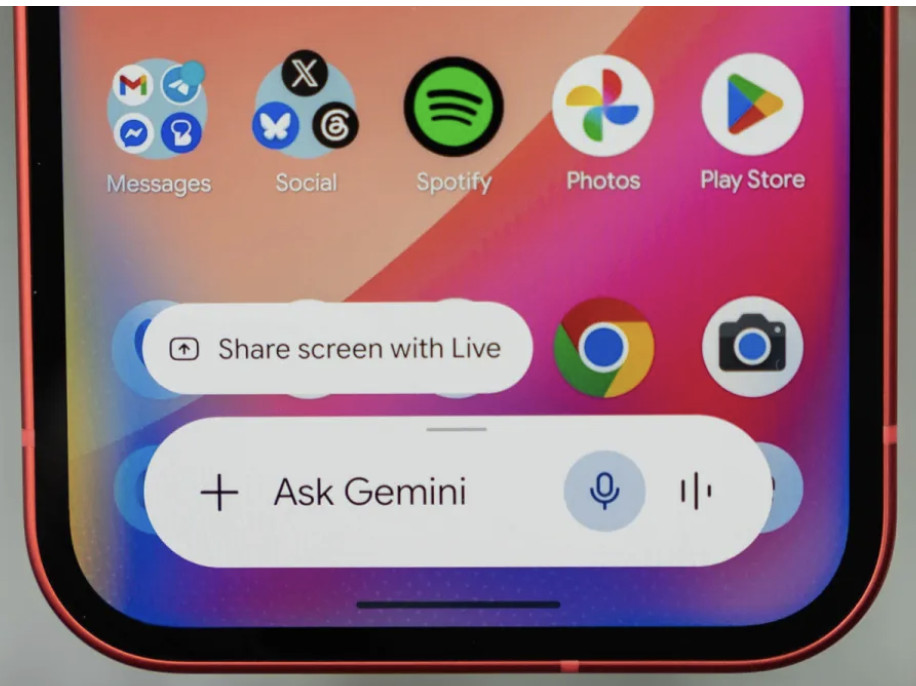
Further reflecting on Google’s practical focus for Gemini and AI in general at I/O 2026 last week, I still find myself struggling to find ways to actually make this technology useful in ways that actually matter. So, what are you doing with Gemini?
This issue of 9to5Google Weekender is a part of our newsletter that highlights the biggest Google stories with added commentary and more. Sign up here to get Weekender delivered to your inbox every weekend, and catch our weekday roundups too!
Over the past couple of years, AI has been a part of daily life. Not necessarily in use, but at least in hearing about all the “progress” being made with it. I don’t really consider myself a flat-out AI hater, but I’m not exactly the biggest fan of this technology. AI can do impressive things, but it usually feels like a game of trying to reinvent the wheel. Gemini’s AI Overviews and AI Mode in Search are a pretty flashy new experience, but they ultimately do the same thing, though often while being worse at that thing (all while Google admits the web is “in rapid decline” – I wonder why). AI tools, Google’s or otherwise, just don’t feel like an objectively better improvement, but usually a lateral evolution that’s also wildly resource-intensive – I’m totally not bitter about RAM prices or anything.
But, through it all, I am still trying to find places where Gemini and AI as a whole make actual sense in my life – it’s just an uphill battle.

Perhaps the best real-world use case I’ve seen for AI is in coding. Being large language models, the reasoning of building out code is something these tools can be remarkably good at. I’ve only toyed around with this, building out a quick Chrome extension I needed, but I can immediately see the appeal. I still believe that a good developer needs to be behind anything built by AI – especially anything sold or widely distributed – but the utility is obvious.
Outside of that, though, it’s pretty hit or miss.